Adm. Brad Cooper, commander of U.S. Central Command, said Thursday that Iran’s navy has been decimated and its drone capabilities damaged, as the United States and Israel continues military strikes against Iran.
Cooper spoke alongside Defense Secretary Pete Hegseth at CENTCOM headquarters at MacDill Air Force Base in Tampa, Florida, providing updates regarding Operation Epic Fury, which began early Saturday morning.
“We’re now up over 30 ships,” Cooper said of the number of Iranian navy vessels that the U.S. has sunk or destroyed. “And in just the last few hours, we hit an Iranian drone carrier ship roughly the size of a World War II aircraft carrier, and as we speak, it’s on fire.”
RELATED
U.S. combat power has continued to ramp up while Iran’s combat power has declined, according to Cooper.
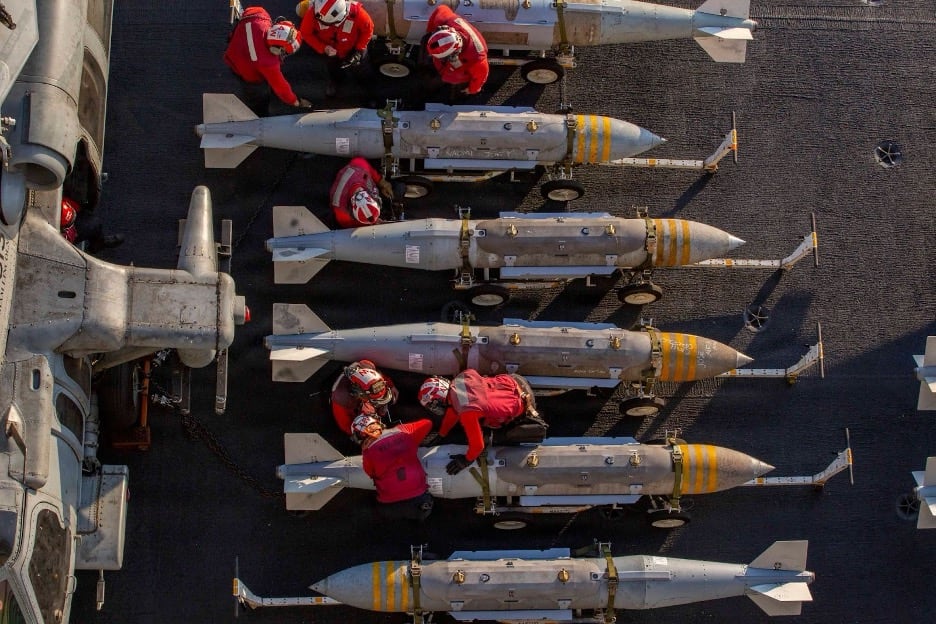
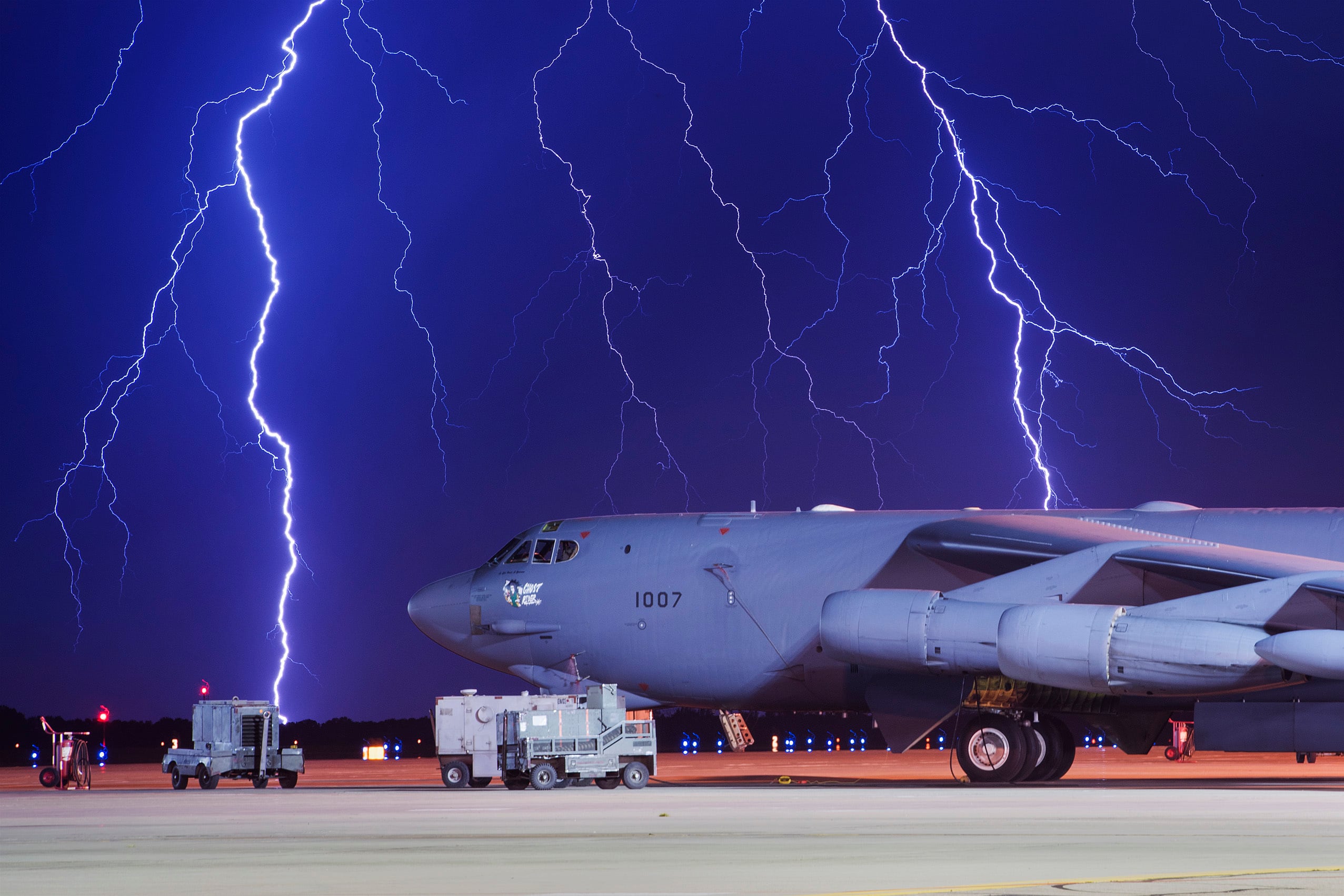
In the last 72 hours, American bombers have struck nearly 200 targets deep inside Iran, including around Tehran, Cooper said. And in the last hour, U.S. B-2 bombers dropped dozens of 2,000-pound penetrative bombs on buried ballistic missile launchers.
The U.S. has also struck Iran’s “equivalent of Space Command,” Cooper said.
“The amount of firepower over Iran and over Tehran is about to surge dramatically,” Hegseth said. “When we say more to come, it’s more fighter squadrons, it’s more capabilities, it’s more defensive capabilities and it’s more bomber pulses more frequently.”
Iran’s military offensive campaign has slowed considerably, too, according to Cooper.
He said the country’s ballistic missile attacks have decreased by 90% since day one and drone attacks have decreased by 83% since day one.
President Donald Trump gave CENTCOM the task of leveling Iran’s ballistic missile industrial base, according to Cooper.
The U.S. military is in the process of dismantling Iran’s missile production capability for the future, he said.
“We’re not just hitting what they have,” Cooper said. “We’re destroying their ability to rebuild.”
Riley Ceder is a reporter at Military Times, where he covers breaking news, criminal justice, investigations, and cyber. He previously worked as an investigative practicum student at The Washington Post, where he contributed to the Abused by the Badge investigation.